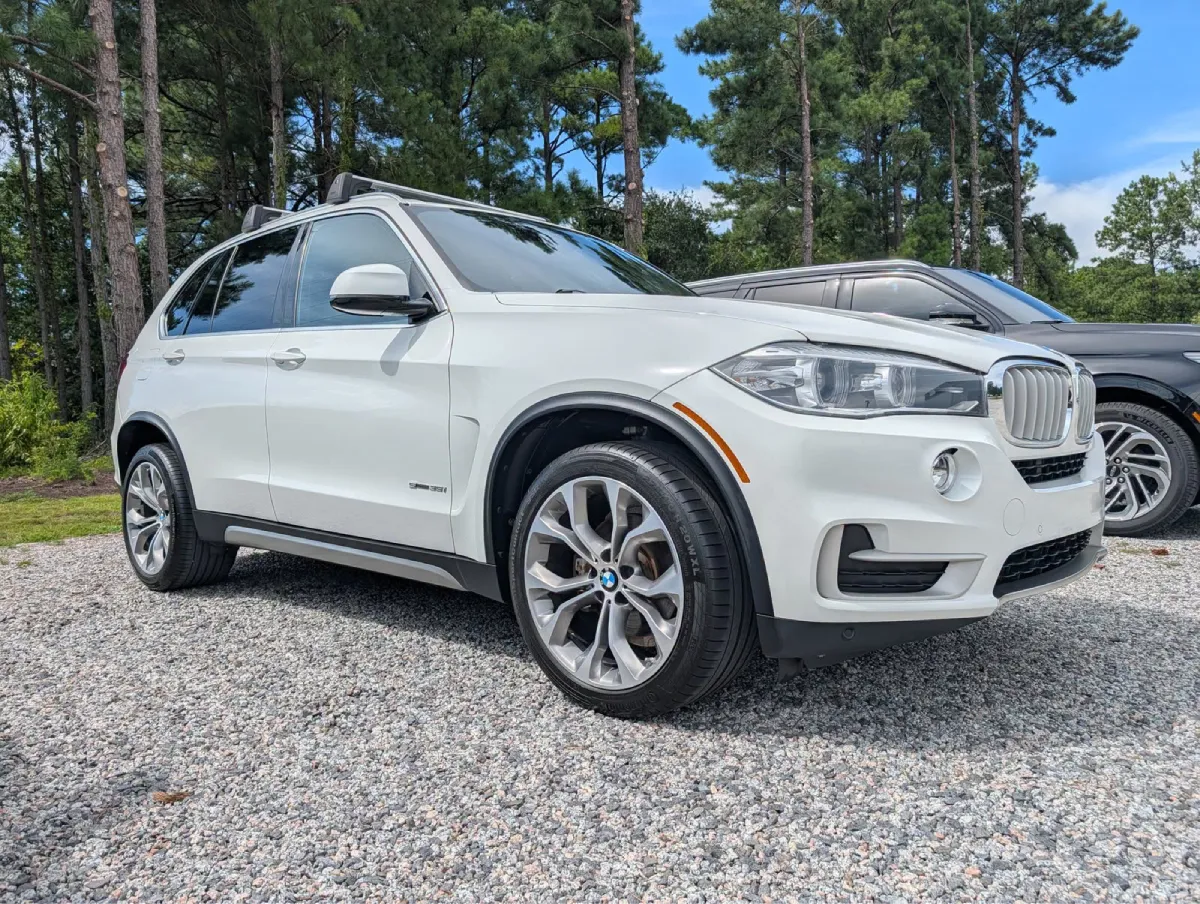
How Does Paint Enhancement Compare With A Full Paint Correction
Paint enhancement and full correction both improve the look of automotive paint, but they differ in depth. Enhancement primarily boosts gloss, clarity, and the overall
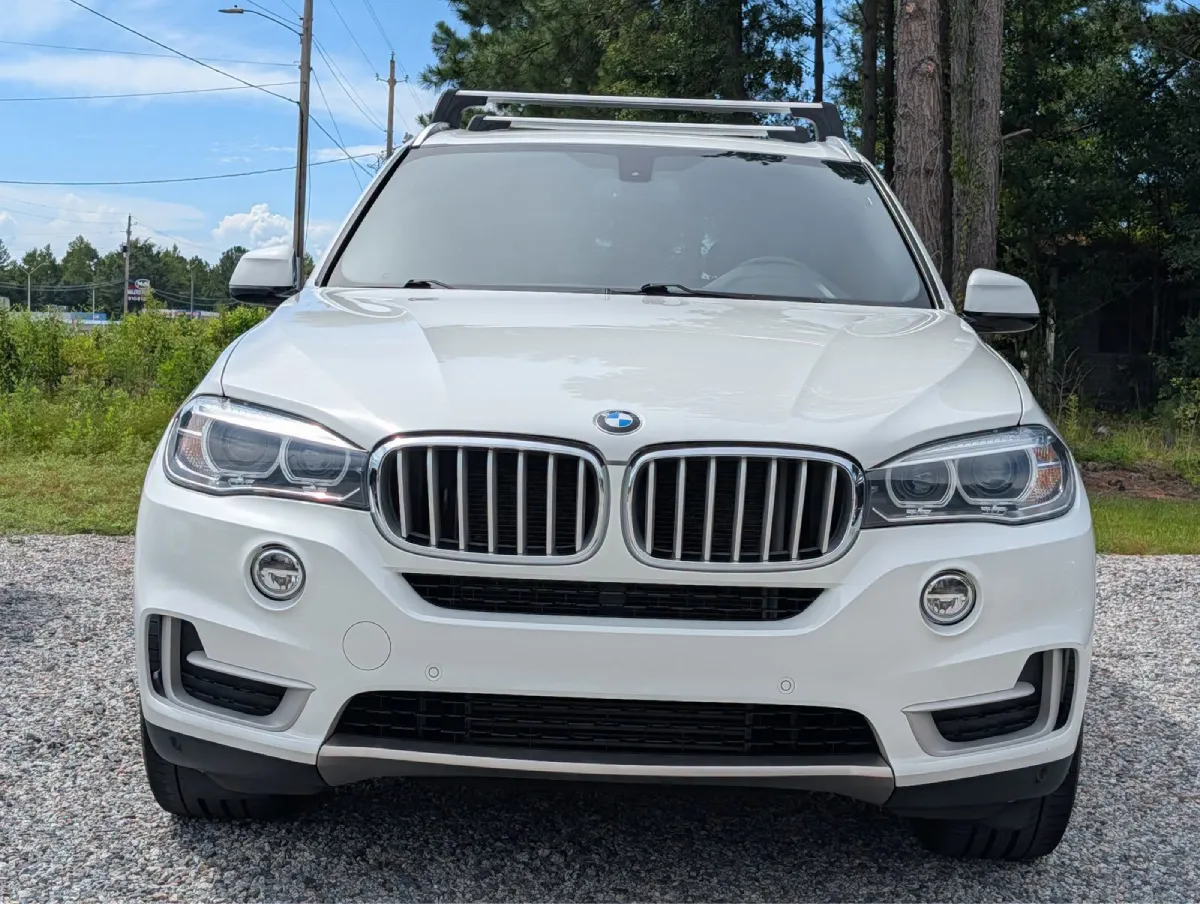
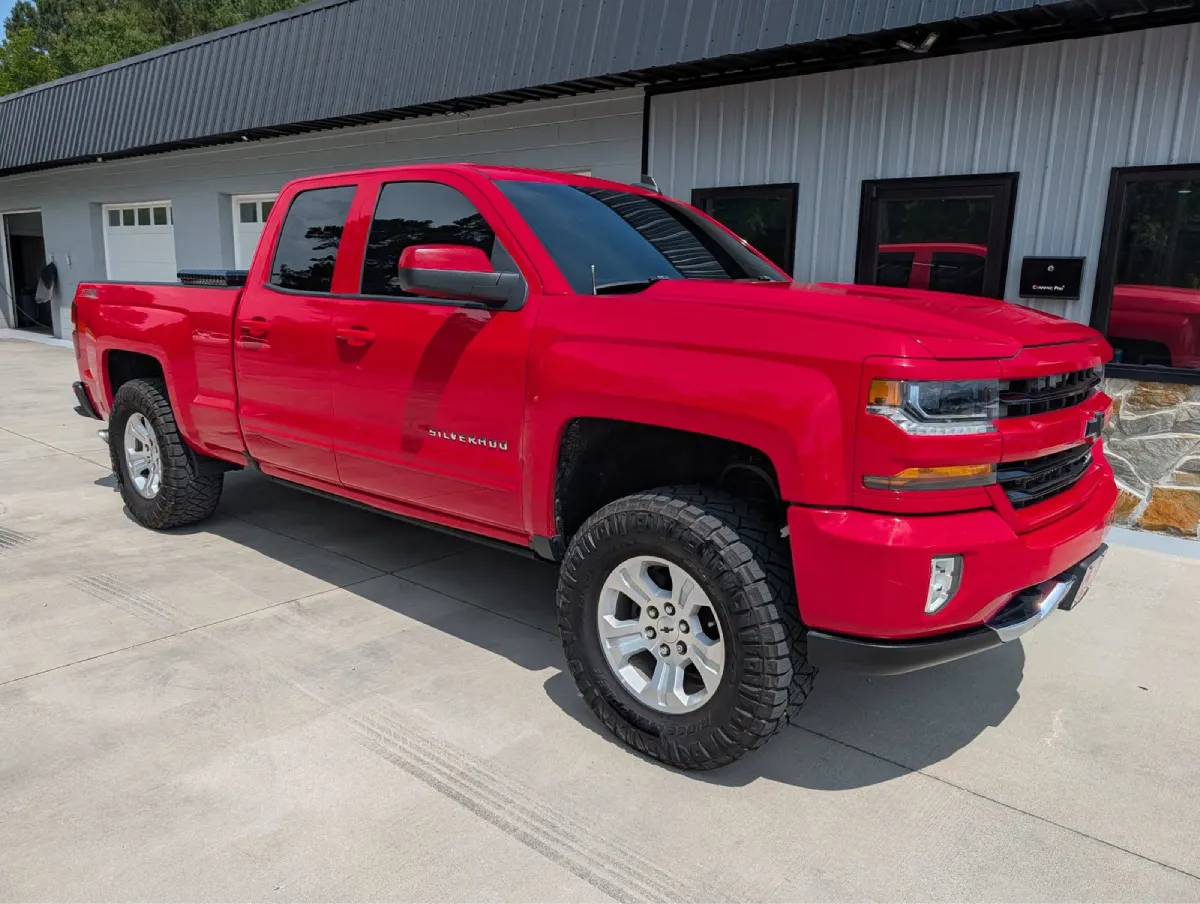
Paint enhancement and full correction both improve the look of automotive paint, but they differ in depth. Enhancement primarily boosts gloss, clarity, and the overall
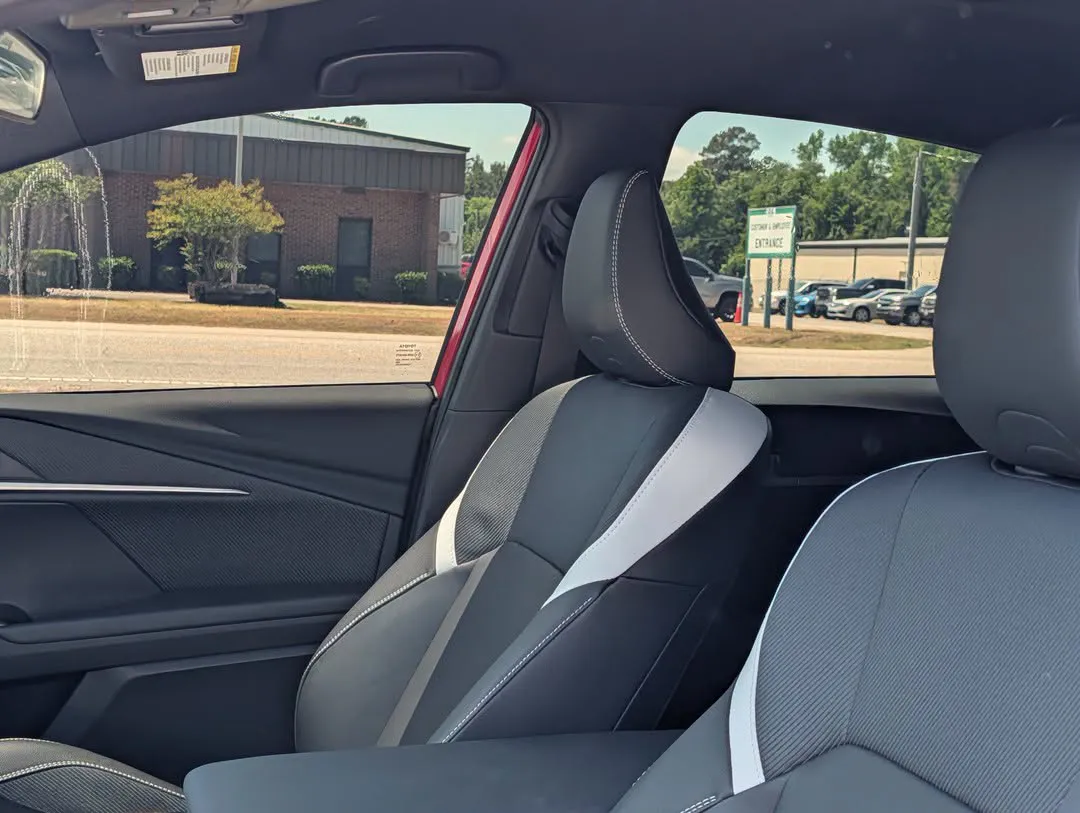
Window tint can make dark objects harder to see at night if the film significantly reduces visible light transmission, especially in already dark conditions. However,

A paint protection film pattern that does not align correctly with a body panel can create uneven coverage, visible edges, exposed paint, wrinkles, tension marks,

Not every car surface should be cleaned with the same product because automotive finishes vary in material, texture, and chemical sensitivity. Harsh cleaners can damage

Professional paint correction does remove a very small amount of clear coat to level surface imperfections, but it does not remove the entire clear coat

Ceramic coating helps keep a vehicle cleaner between washes by creating a hydrophobic layer that reduces how easily dirt, water spots, and contaminants stick to

Professional detailers remove industrial fallout and embedded contaminants from automotive paint through a multi-step decontamination process that combines chemical iron dissolvers with mechanical clay bar

Window tint improves air conditioner efficiency by rejecting up to 98% of solar infrared radiation and 60% of total solar energy before it penetrates the

High heat and direct sunlight ruin the ceramic coating application process by causing the carrier solvents to flash off instantly. This ultra-fast evaporation accelerates the

Cleaning window tint safely requires using an ammonia-free cleaner paired strictly with premium microfiber towels. Ammonia acts as a harsh chemical solvent that dissolves the

Windshield Protection Film (WPF) is a heavy-duty, multi-layered optically clear polyurethane or polyester barrier applied directly to the exterior surface of a vehicle’s windshield. Engineered

Paint Protection Film (PPF) is the primary choice for vehicle preservation because it functions as an optical-grade, aliphatic polyurethane barrier that physically absorbs kinetic impact