
Professional paint correction does remove a very small amount of clear coat to level surface imperfections, but it does not remove the entire clear coat layer. Skilled technicians carefully measure and evaluate the vehicle’s paint before correction to safely reduce swirl marks, scratches, and other defects while preserving as much factory protection as possible.
Understanding How Automotive Clear Coat Works
Modern vehicles typically have multiple layers of paint protection.
The basic paint system usually includes:
- Primer
- Base coat color
- Clear coat
The clear coat is the transparent upper layer that provides:
- Gloss
- UV resistance
- Protection from environmental exposure
- A smooth appearance
Over time, this layer can develop imperfections caused by improper washing, environmental contaminants, and everyday driving conditions.
Professional paint correction Lumberton, NC services focus on refining this clear coat surface to restore clarity and shine.
How Paint Correction Removes Imperfections
Paint correction works by carefully leveling the clear coat around surface defects.
During the process, technicians use:
- Specialized polishing compounds
- Machine polishers
- Different levels of polishing pads
- Paint inspection tools
The goal is not to remove large amounts of clear coat but to smooth the surface by reducing the height difference between damaged areas and surrounding paint.
This process can improve the appearance of:
- Swirl marks
- Light scratches
- Water spots
- Oxidation
- Paint haze
Paint Correction Removes Only A Controlled Amount Of Clear Coat
A common concern is that paint correction removes too much protective material.
In reality, professional correction removes only microscopic amounts of clear coat when necessary. Experienced technicians use controlled techniques to achieve the desired improvement while maintaining the integrity of the paint system.
The amount removed depends on factors such as:
- Paint condition
- Defect severity
- Clear coat thickness
- Correction level required
- Vehicle history
A vehicle owner in Downtown Lumberton with minor swirl marks may only need a lighter polishing process rather than aggressive correction.
Paint Thickness Measurements Help Protect The Finish
Before beginning correction, professionals may measure the paint thickness to understand how much material is available.
Paint thickness measurements help technicians:
- Identify previous repairs
- Avoid unnecessary removal
- Choose the correct correction method
- Protect areas with thinner paint
This step is especially important for vehicles that have been repainted or previously corrected.
Not All Paint Defects Require The Same Level Of Correction
Paint correction can range from light polishing to more intensive multi-stage correction.
A lighter process may address:
- Minor haze
- Light swirl marks
- Reduced gloss
A more extensive correction may be required for:
- Deeper scratches
- Heavy oxidation
- Significant paint defects
The right approach depends on the vehicle’s condition and the owner’s expectations.
Paint Correction Is Different From Repainting
Some vehicle owners confuse paint correction with repainting.
These processes are very different.
Paint correction:
- Refines the existing clear coat
- Preserves the original paint
- Uses polishing techniques
- Removes small imperfections
Repainting:
- Applies new paint layers
- Changes or restores damaged areas
- Requires refinishing materials
For example, a vehicle owner in Tanglewood with surface-level swirl marks may benefit from paint correction rather than a complete repaint.
Ceramic Coating Can Protect Corrected Paint
Many vehicle owners choose to apply ceramic coating after paint correction.
Once imperfections are removed and the paint surface is properly refined, ceramic coating can help provide:
- Enhanced gloss
- Easier maintenance
- Hydrophobic properties
- Protection from environmental contaminants
The coating bonds best when applied to a properly prepared surface.
Professional Paint Correction Helps Preserve Vehicle Appearance
Attempting paint correction without proper knowledge or equipment can increase the risk of unnecessary clear coat removal.
Professional technicians understand:
- Machine polishing techniques
- Product selection
- Paint hardness differences
- Defect evaluation
A driver in University Village who wants to improve their vehicle’s finish can benefit from professional evaluation before deciding on the appropriate correction level.
When performed correctly, paint correction is a safe and effective way to restore paint clarity while maintaining the vehicle’s protective clear coat.
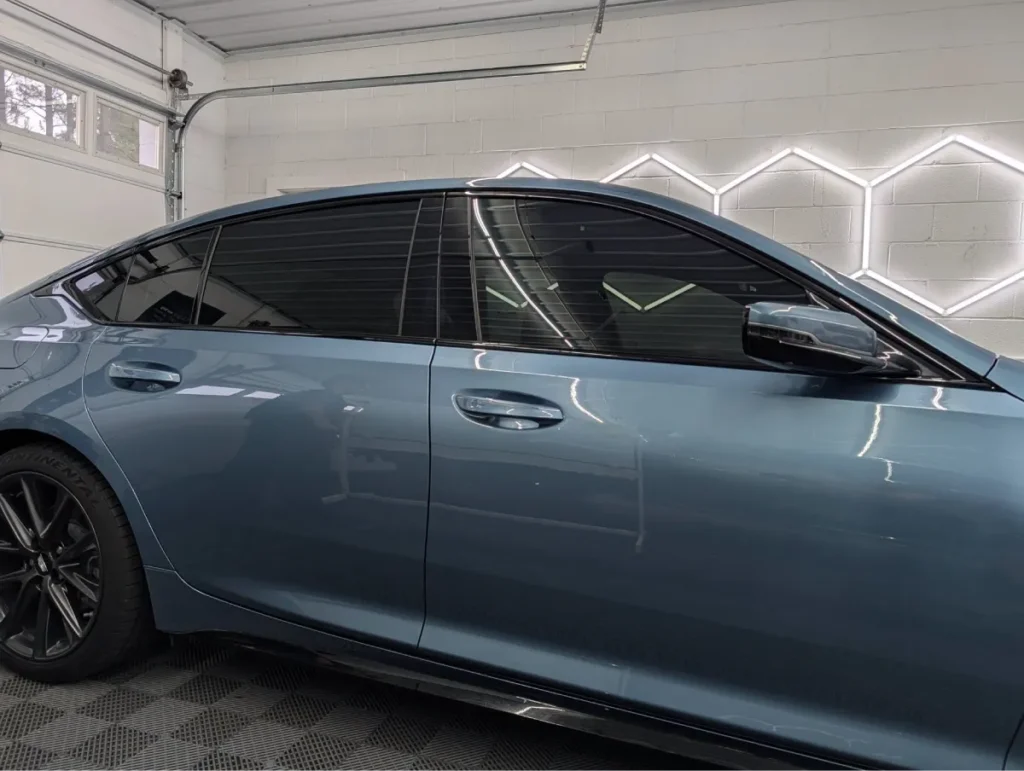
Paint Correction vs. Repainting
| Paint Correction | Repainting |
| Removes or reduces surface imperfections | Applies new paint layers to the vehicle |
| Uses polishing compounds and machine polishing | Uses automotive paint and refinishing materials |
| Preserves the original factory finish | Changes or restores painted surfaces |
| Removes only a controlled amount of clear coat | Adds new layers of paint and clear coat |
| Ideal for swirl marks, haze, and minor defects | Used for severe damage, peeling paint, or major repairs |
| Improves gloss and paint clarity | Restores or changes the vehicle’s color and finish |
Paint correction and repainting solve different problems. Paint correction is designed for improving the existing finish by refining the clear coat, while repainting is a more extensive process used when the paint system has significant damage.
Paint Correction Terms Every Vehicle Owner Should Know
Understanding these common terms can help you better understand how professional Lumberton, NC paint correction works.
Paint Correction: A professional polishing process that removes or reduces surface imperfections by carefully refining the vehicle’s clear coat.
Clear Coat: A transparent protective layer applied over automotive paint that provides gloss, UV resistance, and protection from environmental exposure.
Paint Thickness Measurement: A process using specialized equipment to measure the amount of paint and clear coat available before correction begins.
Swirl Marks: Fine circular scratches commonly caused by improper washing techniques, automatic car washes, or abrasive cleaning materials.
Paint Enhancement: A lighter polishing process designed to improve gloss and clarity while making minimal changes to the paint surface.
Ceramic Coating: A protective coating applied to properly prepared paint surfaces to improve gloss, water repellency, and resistance to environmental contaminants.
Myth: Paint Correction Removes The Entire Clear Coat Layer
A common misconception is that paint correction strips away the clear coat and leaves the vehicle unprotected.
In reality, professional paint correction removes only a controlled amount of clear coat to reduce surface imperfections. Experienced technicians carefully inspect paint thickness, evaluate defect severity, and select the appropriate polishing method to improve the finish while preserving as much clear coat as possible.
Aggressive correction methods performed incorrectly can remove excessive material, which is why professional evaluation and proper equipment are important.
Professional paint correction services in Lumberton focus on achieving the best possible results while protecting the vehicle’s original finish.
Tips For Protecting Corrected Paint
After paint correction, proper maintenance helps preserve the improved finish.
Recommended practices include:
- Wash the vehicle using proper two-bucket washing techniques.
- Use microfiber towels and automotive-safe cleaning products.
- Avoid abrasive brushes and automatic car washes.
- Remove bird droppings and contaminants quickly.
- Apply ceramic coating or paint protection products when appropriate.
- Schedule regular exterior detailing services.
- Follow professional maintenance recommendations.
Properly maintaining corrected paint helps extend the life of the finish and preserve the restored gloss.
In Summary
Paint correction does remove a very small amount of clear coat, but the process is carefully controlled when performed by trained professionals. The goal is not to remove the protective layer but to refine it by reducing imperfections such as swirl marks, haze, and light scratches.
Through proper inspection, paint thickness measurements, and professional techniques, paint correction can restore gloss and improve clarity while maintaining the integrity of the vehicle’s finish. When combined with proper maintenance and protective solutions such as ceramic coating, corrected paint can continue looking its best for years.
If you need professional paint correction in Lumberton, NC, trust OCDetailing NC for expert paint restoration and vehicle detailing services. Our experienced team carefully evaluates every vehicle’s finish and uses proven correction techniques to enhance gloss while protecting your factory paint.
Contact us today to schedule a paint correction consultation and discover how professional surface correction can restore your vehicle’s appearance and bring back a smooth, refined finish.
People Also Ask
Does paint correction damage clear coat?
When performed by an experienced professional, paint correction does not damage the clear coat. The process removes only a small, controlled amount of material to level imperfections and improve the paint’s appearance.
How much clear coat does paint correction remove?
The amount removed depends on the vehicle’s paint condition, defect depth, and correction level required. Professional technicians aim to remove the least amount necessary to achieve the desired improvement.
Can paint correction remove deep scratches?
Paint correction can reduce many surface scratches, but deeper scratches that extend through the clear coat or into the paint layer may not be completely removable and may require other repair methods.
Should ceramic coating be applied after paint correction?
Yes. Many vehicle owners choose ceramic coating after paint correction because the coating bonds best to a clean, refined surface and helps protect the restored finish.
How often should a vehicle receive paint correction?
The frequency depends on washing habits, environmental exposure, and paint condition. With proper maintenance, many vehicles only need correction when noticeable defects develop.