
Window tint improves air conditioner efficiency by rejecting up to 98% of solar infrared radiation and 60% of total solar energy before it penetrates the glass. By blocking this thermal energy from acting as a constant radiant heater inside the cabin, the film lowers interior temperatures by up to 30°F. This drastically reduces the initial cooling workload, allowing the AC system to reach, maintain, and stabilize cabin temperatures with minimal compressor strain and lower fuel or battery consumption.
Solar Optical Specifications and Film Engineering Features
To appreciate why professional window film provides such vast climate control relief, we must explore the advanced engineering specifications behind solar control films. Standard automotive glass acts as a transparent window for solar heat waves, allowing thermal energy to pass unchecked into the vehicle. Professional-grade solar control films, however, utilize deep material science to filter light spectrums through specific optical metrics:
- TSER (Total Solar Energy Rejection): This metric measures the absolute percentage of total solar radiation, spanning visible light, near-infrared waves, and ultraviolet radiation, that a window film blocks, absorbs, or reflects away. A higher TSER percentage directly translates to a lower overall heat load entering the vehicle cabin.
- IRER (Infrared Energy Rejection): This specific reading isolates the film’s ability to reject near-infrared radiation (ranging from 780 nm to 2500 nm). Because infrared radiation is the primary component of the solar spectrum responsible for generating the intense “burning” heat felt on your skin, high IRER ratings are crucial for interior cooling.
- VLT (Visible Light Transmission): This is the percentage of visible light that passes directly through the glass. Advanced nano-ceramic films utilize tightly packed ceramic nanoparticles to selectively filter out non-visible heat waves while maintaining high VLT levels, providing massive heat rejection without requiring dark glass.
- UV Rejection Matrix: This specification evaluates the film’s capacity to filter out 99.9% of harmful ultraviolet wavelengths (both UVA and UVB). This protective barrier stops the deep cellular degradation of interior materials, keeping delicate leather, vinyl, and dashboard plastics from drying, cracking, and bleaching over time.
The Four-Stage Sequence of Vehicle Thermal Loading and AC Compressor Strain
When an unprotected vehicle sits exposed to the sun, the greenhouse effect transforms the cabin into an intensive thermal storage container. This continuous accumulation of heat creates a severe, compounding mechanical workload for your vehicle’s cooling systems upon startup, dragging down efficiency through a clear physical sequence:
- Shortwave Solar Penetration
Shortwave solar radiation passes directly through untreated factory auto glass completely unimpeded. This light energy strikes dark interior components, including the steering wheel, upper dashboard, front seats, and underlying carpeting material.
- Heat Trapping and Absorption
The dense interior materials absorb the incoming shortwave solar energy, causing their surface temperatures to skyrocket. This absorbed energy is then radiated back into the cabin air as longwave infrared radiation (ambient heat), which cannot escape outward through raw glass, pinning the thermal energy inside.
- Peak Mechanical AC Loading
When the driver enters the vehicle, interior air temperatures frequently exceed 130°F. This extreme heat load forces the air conditioning compressor to engage at its absolute maximum capacity and continuous duty cycle, struggling to displace thousands of BTUs of stored thermal energy.
- Energy Depletion and Component Strain
To sustain this massive cooling demand, combustion engines must burn significantly more fuel to spin the AC compressor clutch. Similarly, electric vehicles must siphon valuable high-voltage battery power to run electric AC units, directly reducing overall driving range.
Thermal Performance Matrix: Advanced Nano-Ceramic Film vs. Standard Factory Auto Glass
Relieving compressor strain requires an external barrier that breaks the cycle of thermal loading at the glass surface. The performance matrix below isolates the heat deflection and cooling system relief provided by engineered films versus bare automotive glass.
| Performance Metric | Advanced Nano-Ceramic Window Film | Untreated Factory Glass |
| Heat Rejection | Blocks up to 98% of infrared heat for a cooler cabin. | Allows most solar heat to enter the vehicle. |
| Cabin Comfort | Helps keep the interior noticeably cooler. | Interior temperatures rise quickly in direct sunlight. |
| A/C Efficiency | Reduces strain on the air conditioning system. | Forces the A/C to work harder to cool the cabin. |
| Interior Protection | Helps protect seats, dashboards, and trim from heat and UV exposure. | Heat and UV rays accelerate fading and interior wear. |
Debunking the Myth: “Window Tint Must Be Pitch Black to Effectively Block Heat and Improve AC Performance”
Many drivers believe the darkest window tint provides the best heat rejection. In reality, darkness does not determine performance. Older dyed films relied on dark shades to absorb sunlight but offered limited protection against infrared heat.
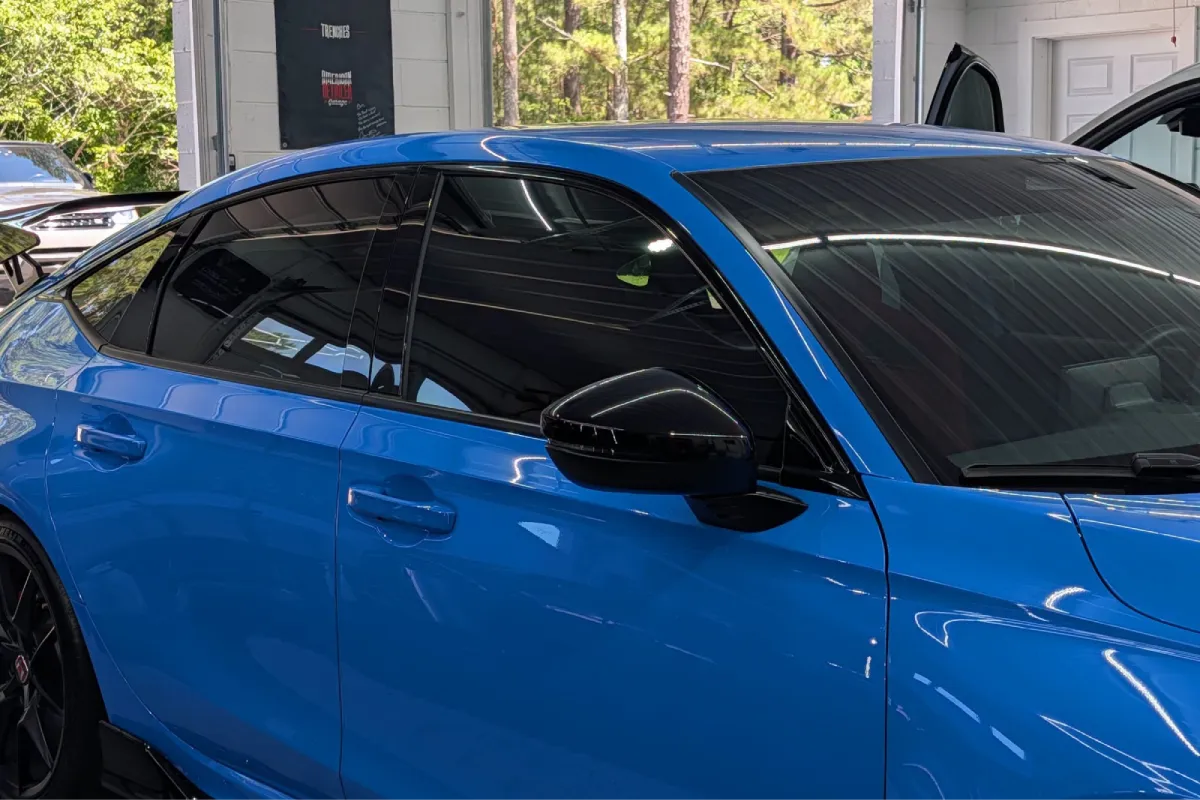
Professional window tinting in Lumberton now uses advanced nano-ceramic films that block infrared heat and harmful UV rays without requiring an extremely dark tint. These premium films help keep your cabin cooler, reduce strain on your air conditioning system, and protect your interior from fading.
With modern ceramic technology, you can enjoy better driving comfort, excellent visibility, and compliance with state tint laws while maintaining a clean, factory-style appearance.
Applying Our Advanced Surface Protection Systems to Solve This
At OCDetailing NC, we combine 20+ years of experience with an education-first approach and zero sales pressure to deliver exceptional results and honest recommendations. If you’re looking for window tinting in Lumberton, NC, our team provides a professional experience backed by professional authority in every detail and the expertise of an authorized union film dealer and specialist.
Our systems-based care, rooted in healthcare precision, ensures every detail is strictly inspected before installation. Using micro-edge finishing for a factory-quality look, our certified technicians produce seamless results with advanced infrared heat rejection for a cooler cabin, while helping protect your upholstery from premature aging and UV damage.
Designed for precision tinting for the modern enthusiast, our premium window films provide enhanced privacy and uncompromising style without sacrificing visibility or comfort. Every installation is built to perform long-term, giving you absolute peace of mind that quality goes beyond first gloss.
At OCDetailing NC, no compromise. ever. is more than a promise; it’s the standard behind every installation we complete.
Regional Climate Demands and Expert Local Solutions
North Carolina’s intense sun, high humidity, and long summer seasons can make driving uncomfortable while accelerating interior fading and forcing your air conditioning system to work harder. Without quality window film, prolonged UV exposure can damage leather, plastics, and interior trim over time.
Investing in professional window tinting helps reduce solar heat, block harmful UV rays, minimize glare, and create a cooler, more comfortable cabin throughout the year. High-performance films also help protect your vehicle’s interior while improving everyday driving comfort.
Choosing Lumberton window tinting ensures your vehicle receives premium film installed in a clean, controlled environment for excellent clarity, strong adhesion, and long-lasting performance. Proper installation also helps prevent common issues like bubbling, peeling, and uneven edges.
At OCDetailing NC, every installation begins with meticulous glass preparation and precision application techniques tailored to your vehicle. Whether you drive a daily commuter, family SUV, or performance car, our professional window tinting services provide lasting protection, improved comfort, and a clean factory-quality appearance.
Insulate Your Luxury Investment and Enhance Driving Comfort
Relying on bare, unprotected factory glass to block intense solar heat leaves your vehicle’s cabin exposed to extreme temperatures, accelerating interior aging and placing added strain on your air conditioning system. At OCDetailing NC, we install premium nano-ceramic window films that help reduce heat, block harmful UV rays, and protect your leather, plastics, and electronics while maintaining a cooler, more comfortable driving experience.
Let our sophisticated, highly skilled team provide the precision craftsmanship and premium protection your vehicle deserves. Contact us to start a conversation today and experience the luxury of driving a perfectly insulated, expert-protected vehicle.
Frequently Asked Questions
How much can ceramic window tint reduce cabin temperature?
Premium ceramic window tint can help keep your vehicle up to 25–30°F cooler by blocking infrared heat before it enters the cabin.
Can ceramic window tint improve EV battery range?
Yes. By reducing cabin heat, the air conditioning system works less, which can help improve driving efficiency and preserve battery range.
Does ceramic window tint affect visibility or vehicle electronics?
No. High-quality nano-ceramic films provide excellent visibility while remaining compatible with GPS, cell signals, and modern vehicle sensors.
Does window tint help reduce fuel or energy use?
Yes. A cooler cabin reduces air conditioner workload, which can improve fuel efficiency in gas vehicles and energy efficiency in electric vehicles over time.