
Windshield protection film is essential for highway-driven vehicles because it absorbs high-velocity rock impacts, prevents costly glass replacements, and preserves the structural integrity of modern windshields. By acting as an optically clear, sacrificial barrier over your exterior glass, this specialized urethane layer deflects road debris before chips and cracks can form, saving drivers from expensive Advanced Driver Assistance Systems (ADAS) recalibrations and compromised visibility.
Understanding the Real Hazards of High-Speed Highway Commuting
Highway driving subjects your vehicle to forces that city streets do not replicate. At 65 to 80 miles per hour, a small pebble kicked up by a commercial truck strikes your glass with tremendous kinetic energy. While factory automotive glass is engineered to resist shattering during a collision, its rigid exterior surface remains vulnerable to sudden, concentrated point impacts.
Beyond single rock strikes, daily highway commuters contend with constant micro-abrasion. Fine sand, road salt, loose gravel, and high-speed insects steadily sandblast the glass surface over thousands of miles. This cumulative wear creates microscopic pitting across the windshield. During daytime driving, pitting goes largely unnoticed, but at night or when driving into a low sun, those tiny craters scatter oncoming headlights into blinding glare that strains your eyes and slows reaction times.
When drivers look into windshield protection film in St. Paul’s, NC, they are often reacting to a recent chip or a shattered windshield that disrupted their entire week. Installing a dedicated protective layer shifts your vehicle care from reactive repair to proactive preservation, keeping your daily commute safe, clear, and uninterrupted.
How Modern Windshield Protection Film Works
Windshield protection film is an optically clear, multi-layered polyurethane membrane bonded directly to the exterior of your glass. Unlike interior window tint, it works through energy dispersion: when a rock strikes the surface, the flexible film absorbs and spreads the impact across a wider area so debris bounces off without chipping or cracking the glass beneath.
It also features a hydrophobic topcoat that repels rain and bug splatter for clearer wet-weather visibility, while blocking up to 99% of harmful UV rays to protect both your skin and your dashboard.
Protecting Expensive ADAS Technology and Factory Seals
A decade ago, replacing a cracked windshield was a straightforward, inexpensive routine. Today, windshields serve as structural components and mounting hubs for sophisticated safety hardware. Most late-model vehicles feature forward-facing cameras, LiDAR sensors, rain sensors, and heads-up display (HUD) projectors integrated directly into or behind the glass.
| Protection Aspect | Unprotected Factory Glass | Glass with Windshield Protection Film |
| High-Speed Rock Strikes | Chips, star breaks, and spreading cracks | Energy dispersed; film absorbs impact |
| ADAS Calibration Risk | High; replacement requires camera recalibration | Eliminated; original glass stays intact |
| Factory Watertight Seal | Broken and replaced during glass swap | Preserved in original OEM condition |
| Nighttime Glare & Pitting | Accumulates micro-pits from highway sand | Topcoat resists pitting and stays smooth |
| Long-Term Resale Value | Diminished by non-OEM aftermarket glass | Maintained with original factory glass |
If a highway rock cracks your windshield, replacing the glass is only the first step. The vehicle’s forward-facing cameras must undergo static and dynamic ADAS recalibration to ensure lane-keeping assist, automatic emergency braking, and adaptive cruise control function accurately. A misalignment of even a single millimeter can cause safety systems to misread road markings or traffic distances.
Furthermore, no aftermarket installation truly replicates the robotic precision of a factory windshield seal. Breaking the original OEM urethane bond increases the future risk of wind noise, water leaks, and cabin corrosion. Choosing St. Paul’s windshield protection film keeps your original factory glass, seals, and safety sensors completely undisturbed.
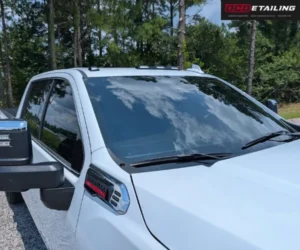
Our Studio Philosophy: Precision Craftsmanship Over Shortcuts
At OCDetailing NC, our work is led by professionals who approach automotive protection with discipline, intention, and respect for the craft. Every member of the studio understands that quality is not accidental. It is the result of training, experience, and a commitment to doing things correctly, even when no one is watching. This mindset shapes how vehicles are evaluated, how work is performed, and how final results are judged.
Before installation, we decontaminate and polish the glass to remove bonded fallout and mineral deposits. Inside a climate-controlled, dust-minimized bay, we heat-form the film to your windshield’s exact curvature and seal every edge for a virtually invisible finish. During a recent inspection for a commuter traveling daily between St. Paul’s, NC, and Whiteville, we found dozens of impact marks across the bumper and hood, yet the protected windshield remained completely chip-free after 20,000 highway miles.
Ideal Candidates for Highway Windshield Protection
While every driver benefits from clearer visibility and reduced glass damage, certain vehicles face significantly higher risks on regional highways and interstates:
- Daily Highway Commuters: Drivers logging steady miles on major corridors like I-95 or US-74 encounter heavy commercial truck traffic, construction zones, and loose aggregate every day.
- Luxury, Performance, and Exotic Vehicles: OEM acoustic glass, heated windshields, and heads-up display windshields for European and performance vehicles often cost several thousand dollars and face lengthy supply chain delays.
- Trucks, SUVs, and Off-Road Vehicles: Vehicles with upright, near-vertical windshield angles take direct, perpendicular hits from road debris rather than glancing blows, making them prime candidates for windshield protection film in St. Paul’s.
- Fleet and Commercial Vehicles: Keeping delivery vans, work trucks, and executive vehicles out of the glass repair shop prevents costly operational downtime.
- Classic and Collector Cars: Original, date-coded factory windshields for vintage vehicles are often irreplaceable, making surface preservation essential for maintaining collector authenticity.
Caring for Your Protected Windshield
Maintaining windshield protection film is straightforward, and following a few practical habits will maximize its optical clarity and lifespan:
- Allow Proper Initial Curing: Avoid washing your vehicle or running the windshield wipers for the first 48 to 72 hours after installation so the optical adhesive bonds fully to the glass.
- Keep Wiper Blades Clean: Wipe your rubber wiper blades down with a damp microfiber cloth whenever you wash your car. Trapped grit dragged repeatedly across the film can cause premature surface marring.
- Never Run Dry Wipers: Always use windshield washer fluid before activating your wipers to clear dust or pollen.
- Use pH-Neutral Cleaners: Clean the glass with ammonia-free automotive glass cleaners or pH-neutral car wash soap and plush microfiber towels. Avoid abrasive scrubbing pads or harsh household solvents.
- Apply Ceramic Boosters: Periodically applying a silica-based spray sealant refreshes the hydrophobic topcoat, keeping water beading briskly for years.
Drivers commuting regularly between Whiteville and surrounding southeastern North Carolina communities find that pairing windshield protection film with ceramic coatings and paint protection film creates a complete defensive shield for their vehicle’s exterior.
People Also Ask
How long does windshield protection film last on a highway-driven car?
High-quality windshield protection film typically lasts between 12 and 24 months on vehicles driven regularly on highways, depending on annual mileage, wiper usage, and weather exposure. Because it functions as a sacrificial layer, it can be safely removed and replaced once it has absorbed years of road wear, leaving your original factory glass untouched underneath.
Does windshield protection film impair night vision or distort visibility?
No. Automotive windshield protection film is manufactured using optical-grade polyurethane and clear adhesives engineered to be virtually invisible. When installed by trained professionals, it introduces zero optical distortion, waves, or haze during daytime driving, nighttime headlight glare, or polarized sunglasses use.
Can windshield protection film be removed safely without damaging the glass?
Yes. Windshield protection film uses a semi-permanent adhesive designed to bond securely at high speeds while releasing cleanly when professionally removed. A technician can peel the aged film away and clean any minor adhesive residue without scratching, etching, or stressing your windshield.
Is windshield protection film worth the investment compared to glass insurance?
Yes, especially for modern vehicles equipped with ADAS safety sensors, acoustic glass, or heads-up displays. Even if your insurance policy covers glass replacement with a low deductible, filing a claim still exposes your vehicle to aftermarket glass quality, broken factory seals, lengthy calibration appointments, and potential premium increases.
Protect Your Investment with OCDetailing NC
At OCDetailing NC, we bring detailing, ceramic coatings, paint protection film, window tinting, and windshield protection together under one roof so you can drive with confidence on every mile of highway ahead.
Ready to safeguard your glass before the next rock chip happens? Contact us today to request a free quote, book your appointment with our team, or get personalized guidance on the best protection package for your vehicle. If you know fellow commuters or car enthusiasts who want to keep their vehicles looking pristine, share our services with your friends and family.