
Paint enhancement and full correction both improve the look of automotive paint, but they differ in depth. Enhancement primarily boosts gloss, clarity, and the overall finish while reducing minor imperfections. Full correction involves more intensive polishing to address a wider range of suitable paint defects.
What Is A Paint Enhancement
A paint enhancement is a lighter polishing service designed to improve the overall appearance of automotive paint without removing the maximum number of defects. It can refine the surface, increase gloss, and reduce the visibility of lighter imperfections.
The process is generally appropriate when the owner wants a noticeable improvement but does not need every correctable defect removed.
A paint enhancement may help address:
- Light swirl marks
- Minor marring
- Dullness
- Light surface imperfections
- Reduced gloss
The goal is usually improvement, not perfection. This distinction matters because trying to remove every defect can require more aggressive correction than the paint condition or the owner’s goals justify.
For vehicle owners considering paint correction in Lumberton, understanding the difference between enhancement and correction can make it easier to choose an appropriate service.
What Is Full Paint Correction?
Full paint correction is a more intensive process designed to remove or significantly reduce a broader range of suitable paint defects. It may involve multiple polishing stages and carefully selected combinations of machines, pads, and compounds.
The process focuses on improving paint clarity while preserving as much clear coat as reasonably possible.
Paint Defect
Definition: An imperfection affecting the appearance of the vehicle’s painted surface.
Examples: Swirl marks, scratches, oxidation, water-spot etching, and other forms of surface marring.
Paint Correction
Definition: A controlled polishing process used to remove or reduce suitable defects within the paint system.
Purpose: Restore clarity, gloss, and visual consistency while managing clear-coat thickness.
Paint Enhancement
Definition: A lighter polishing process focused primarily on gloss improvement and reduction of minor imperfections.
Purpose: Provide a noticeable improvement without pursuing maximum defect removal.
The terms are sometimes used interchangeably in the detailing industry, but the scope of work can differ substantially.
Paint Enhancement Vs Full Paint Correction
| Feature | Paint Enhancement | Full Paint Correction |
| Correction Level | Light | Moderate to extensive, depending on condition |
| Primary Goal | Improve gloss and appearance | Reduce a greater percentage of suitable defects |
| Polishing | Usually fewer stages | May require multiple stages |
| Time Required | Generally less | Generally more |
| Best For | Relatively well-maintained paint | Heavily swirled or visibly damaged paint |
| Defect Removal | Limited | More extensive |
| Clear-Coat Approach | Conservative | Carefully controlled based on paint condition |
Neither service is automatically better. The appropriate choice depends on what the vehicle actually needs.
When Is A Paint Enhancement The Better Choice
A paint enhancement can be a strong option when the vehicle already has relatively good paint but lacks the gloss and clarity the owner wants.
It may be appropriate for:
Newer Vehicles
New vehicles can still develop light marring from transportation, dealership washing, or everyday maintenance. An enhancement may improve the finish without requiring an intensive correction process.
Well-Maintained Vehicles
A vehicle that has been consistently washed using appropriate techniques may have only minor imperfections.
Daily Drivers
Owners of daily-use vehicles may prefer a balanced improvement rather than pursuing maximum defect removal.
Maintenance Details
An enhancement can also help refresh paint that has gradually lost some gloss.
The important consideration is matching the service to the vehicle’s actual condition.
When Is Full Paint Correction Necessary
Full correction may be appropriate when paint has widespread or more noticeable defects that a lighter polishing process can’t adequately address.
Examples may include:
- Significant swirl marks
- Multiple layers of surface marring
- More noticeable scratches
- Oxidation
- Heavy loss of paint clarity
- Extensive wash-induced defects
A professional inspection should determine whether these imperfections can be corrected.
Not every scratch can or should be completely removed. Consider the defect depth and the amount of clear coat available before attempting more aggressive polishing.
Does The Amount Of Paint Defects Affect The Process?
Yes. The number and distribution of imperfections can influence how much time and work is required.
A vehicle with defects across nearly every painted panel generally requires more inspection and polishing than one with isolated imperfections.
However, defect quantity is only one factor.
Professionals also consider:
- Defect depth
- Paint hardness
- Clear-coat condition
- Number of affected panels
- Vehicle size
- Previous correction history
- Desired final result
For drivers searching for paint correction in Lumberton, NC, a condition-based assessment is more useful than choosing a correction level based solely on the number of scratches.
How Does Clear-Coat Thickness Affect Paint Correction
Modern automotive paint systems typically include a clear coat over the color layer. Paint correction works primarily within this clear layer.
Removing too much clear coat reduces the remaining protective material, so approach correction conservatively.
This is one reason professional detailers don’t automatically try to eliminate every visible defect.
A responsible correction process balances improvement with preservation. If a scratch is too deep to remove safely, reducing its visual appearance may be better than aggressively polishing the surrounding paint.
Common Myth: Full Paint Correction Is Always Better
A common misconception is that the most aggressive or comprehensive correction is automatically the best choice. In reality, the best service achieves the owner’s goals while respecting the paint’s condition.
A lightly swirled vehicle may not need an extensive multi-stage correction. Pursuing maximum defect removal could require additional polishing without providing meaningful value for that particular vehicle.
Likewise, a heavily marred finish may not respond adequately to a simple enhancement.
The objective should be an appropriate level of correction, not correction for its own sake.
How Is A Paint Enhancement Performed
A professional paint enhancement starts with preparation and evaluation, not immediate polishing.
The process may include:
- Washing the vehicle thoroughly
- Removing bonded contamination when necessary
- Inspecting the paint under appropriate lighting
- Selecting a suitable polishing combination
- Performing controlled polishing
- Refining the finish
- Conducting a final inspection
The selected process depends on the vehicle’s paint and the desired result.
OCDetailing NC emphasizes evaluating each vehicle individually before recommending services and states that its paint correction process addresses defects caused by improper washing, environmental exposure, and time.
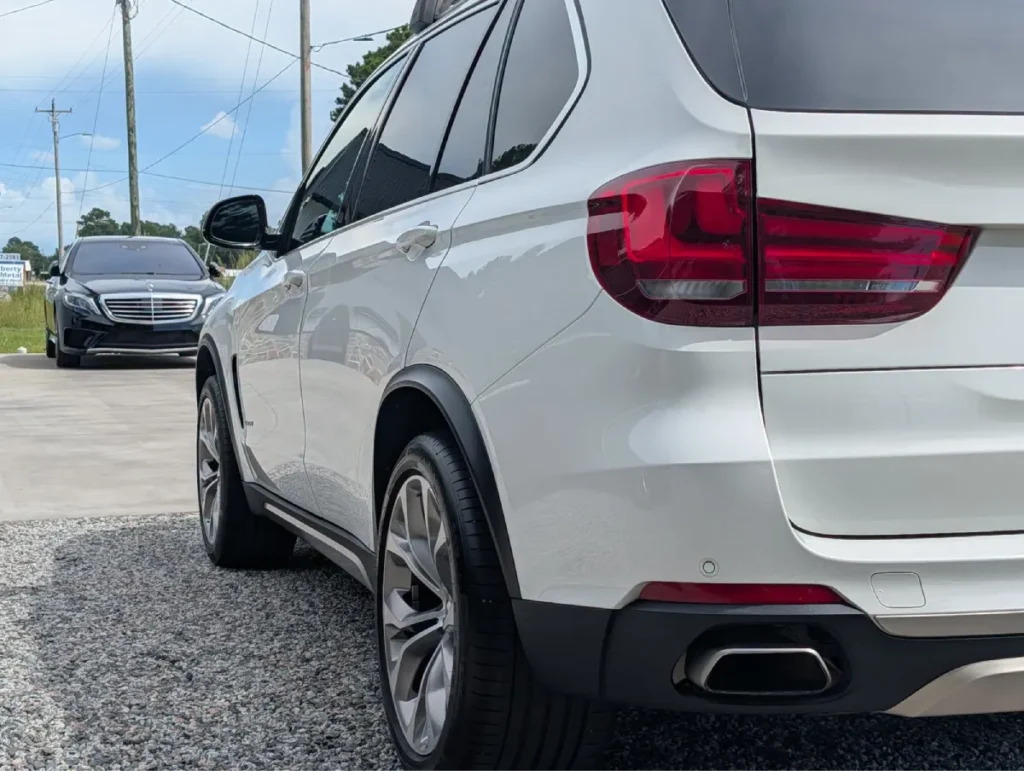
How Is Full Paint Correction Performed
Full correction requires a more detailed assessment and may involve multiple stages.
Inspection
The paint is examined to identify different defect types and determine which can be safely corrected.
Decontamination
Surface contaminants are removed so polishing can be performed on a clean surface.
Test Section
A small area can be evaluated to determine an appropriate combination of pad, polish, compound, machine, and technique.
Correction
Apply the selected process across the appropriate panels.
Refinement
A finishing stage may improve clarity and gloss after more aggressive correction.
Final Inspection
The paint is inspected again to verify the result and identify areas that may require additional attention.
This systematic approach helps prevent unnecessary polishing.
How Does Paint Enhancement Affect Vehicle Appearance
A quality enhancement can create a significant visual improvement, even if it doesn’t remove every defect.
The finish may appear:
- Glossier
- Clearer
- More reflective
- More uniform
- Better maintained
The improvement is especially noticeable when light surface haze or minor marring has reduced the paint’s ability to reflect light cleanly.
For many vehicle owners, this level of improvement provides the right balance between appearance and preservation.
How Does Full Paint Correction Affect Vehicle Appearance
Full paint correction can produce a more dramatic transformation when the vehicle has widespread defects.
Reducing significant swirl marks, marring, oxidation, and minor scratches can restore much of the clarity lost through years of improper washing and environmental exposure.
However, results depend on the starting condition. Deep scratches, chips, previous paint damage, and defects extending beyond the clear coat may remain partially visible.
Professional correction focuses on realistic improvement rather than promising perfect paint in every situation.
How Does Professional Experience Improve Paint Correction
Paint correction requires more than a polishing machine. The technician must understand how the paint responds to different combinations of products and techniques.
OCDetailing NC describes its approach as systems-based and focused on evaluating vehicles before making recommendations. The studio also says it performs its paint correction process methodically to restore clarity while preserving material thickness.
That approach is particularly valuable because different vehicles can respond differently to the same polishing technique.
What Should You Consider Before Choosing A Service
Before deciding between an enhancement and full correction, vehicle owners should consider:
Current Paint Condition
Inspect the vehicle for swirl marks, scratches, oxidation, water spots, and other defects.
Desired Appearance
Determine whether the goal is a noticeable improvement or a higher level of defect reduction.
Vehicle Use
A daily driver may not require the same correction level as a luxury, exotic, or collector vehicle.
Previous Correction
If the vehicle has been polished multiple times, preservation of remaining clear coat becomes increasingly important.
Future Protection
Owners planning to apply ceramic coating or another protective product may want to address suitable paint defects first.
Can Paint Enhancement Be Combined With Paint Protection
Yes. You can perform paint enhancement or correction before applying a protective product when the surface preparation requirements are appropriate.
A coating or other protection product is applied over the existing paint. Improving the surface beforehand can help the final protected finish look clearer and more consistent.
However, the protection itself does not correct the defects underneath it. That is why you should consider preparation before applying long-term protection.
What Are The Benefits Of Choosing The Right Correction Level
Choosing the appropriate service can provide several advantages:
- Avoids unnecessary polishing
- Matches the service to the vehicle’s condition
- Supports clear-coat preservation
- Sets realistic expectations
- Provides better value for the owner’s goals
For owners looking for Lumberton, NC paint correction, a professional evaluation can help determine whether an enhancement or full correction is the better choice.
In Summary
Paint enhancement and full paint correction both improve automotive paint, but they are designed for different levels of correction. An enhancement is generally better suited to vehicles with minor imperfections and a good overall finish, while full correction is more appropriate when defects are widespread or more pronounced.
OCDetailing NC takes an evaluation-first approach to automotive protection, with paint correction focused on methodical defect reduction and preservation of the vehicle’s finish.
Contact us today to have your vehicle evaluated and determine the right level of paint correction for its condition.
People Also Ask
Is paint enhancement the same as paint correction?
No. Paint enhancement is generally a lighter polishing service focused on gloss and minor imperfections, while paint correction addresses a broader range of suitable paint defects.
Is full paint correction worth it?
It can be worthwhile when a vehicle has significant paint imperfections, and the owner wants a higher level of restoration. The appropriate correction level depends on the vehicle’s condition.
Can paint enhancement remove scratches?
It can reduce the appearance of some light surface scratches and marring, but deeper defects may require more extensive correction or another repair method.
Does paint correction damage clear coat?
Properly performed correction is designed to remove only an appropriate amount of material. Aggressive or unnecessary polishing can remove excessive clear coat, which is why professional evaluation matters.